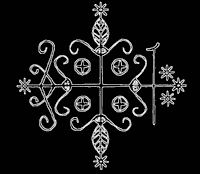
by
A.
Pustanio,
Photos
by
L.
Noble,
Art
work
Ricardo
Pustanio
“WHAT
IS ROOTWORK?
Rootwork
is a
form
of folk
magick
that
uses
the
elements
of nature
to create
change
in ourselves,
others,
or our
environment.
It is
an African-American
form
of shamanism
that
makes
use
of herbs,
stones,
rocks,
and
other
organic
material
to heal
the
body
or the
mind,
or to
solve
a problem.
Like
all
other
forms
of shamanism,
Rootworkers
believe
that
we can
use
the
unseen
forces
of nature
to manipulate
the
tangible
world.
Rootwork
is also
known
as ‘Hoodoo’
in the
southern
part
of the
United
States.
The
word
‘hoodoo’
is probably
derived
from
the
word
‘juju,’
an African
word
meaning
‘magic,’
or from
‘Voodoo,’
a corrupted
version
of the
Fon
word
‘Vodun,’
meaning
‘spirit’
or ‘god.’
But
unlike
Vodun
. .
. Rootwork
is not
a religion.
It has
no pantheon
or priesthood.
It refers
only
to a
set
of healing
and
spell
practices,
and
the
practitioner
can
be whatever
religion
they
wish.”
Tayannah
Lee
McQuillar
(2003)
Hoodoo
is a
very
strong
part
of the
New
Orleans
folk
magic
tradition.
Along
with
Voodoo
and
Santeria,
it thrives
in the
diverse
cultural
“gumbo”
that
makes
up this
fascinating
city.
Most
citizens
of New
Orleans
either
practice
or intimately
know
someone
who
practices
some
form
of rootwork,
or hoodoo,
on a
regular
basis.
It is
common
in New
Orleans
and
surrounding
areas
to seek
out
a “gris
gris”
for
anything
from
good
luck
at the
casinos
or keeping
pesky
neighbors
away,
to potent
“mojos”
for
sexual
prowess
and
securing
the
affections
of a
potential
lover.
Hoodoo
is also
commonly
used
to curse
one’s
enemies.
Coexisting
together,
Hoodoo
and
Voodoo
share
many
familiar
elements.
Though
the
latter
probably
influenced
the
former,
many
terms,
spells
and
practices
have
a common
connection.
Hoodoo,
however,
is very
informal;
based
largely
on traditional
African
practices,
it also
drew
heavily
from
Native
American
and
other
Nature-based
folk
traditions,
such
as those
of the
gypsies
and
Acadian
“traiteurs.”
Where
Voodoo
is an
established
religion
with
its
own
hierarchy
and
rituals,
Hoodoo
combines
elements
of most
of the
major
belief
systems
–
Christian,
Jewish,
and
European
folk
practices,
even
elements
of Southern
Evangelical
faith
healing
- all
found
their
way
into
Hoodoo
over
time.
“HOW
DOES
IT WORK?
No form
of magick
is based
on logic
–
if it
was,
then
it would
cease
to be
magick.
There
is no
explanation
for
why
spells
work,
but
they
do.
All
that
is needed
to work
successfully
with
spells
is patience,
confidence,
and
faith.
It is
a completely
illogical
process
that
must
be allowed
simply
to be.
As soon
as you
try
to analyze
it,
its
power
is lost.”
Tayannah
Lee
McQuillar
(2003)
Hoodoo
places
great
emphasis
on the
magical
power
of the
individual.
Practices
can
be easily
adapted
based
on one’s
desires
for
a particular
outcome;
simple
rituals
also
easily
adapt
to most
people’s
inclination
and
habits.
Hoodoo
knowledge
is generally
passed
person
to person
and
because
there
is no
particular
structure
within
hoodoo,
spells
and
practices
are
as numerous
as practitioners.
Many
medicinal
concoctions
are
geared
toward
use
by hoodoo
workers
and
significant
use
is also
made
of homemade
potions
and
charms.
Recipes
for
successful
charms
and
potions
have
remained
unchanged
for
generations.
Although
it was
the
slaves
who
brought
the
African
beliefs
of Vodun
and
its
hoodoo
counterpart
to the
United
States,
in most
areas
of the
country
these
practices
died
out
or were
absorbed
into
other
area
folk
traditions.
The
exception
to this
is Louisiana,
where
hoodoo
practices
thrived
among
the
slave
population,
distinct
from
those
of Vodun
or Santeria,
which
were
hidden
through
syncretization
with
the
Catholic
religion.
The
African-Americans
in Louisiana
did
not
forget
the
vast
magical
and
herbal
knowledge
that
had
been
a part
of their
life
in Africa.
Thus,
hoodoo
was
born.
Hoodoo
in New
Orleans
is practiced
under
several
names
–
Vieux
Carre
rootwork,
Bywater
conjure,
Mid-City
magick
–
but
all
share
a similar
origin
and
essential
practices.
With
a rich
mixture
of Native
American
and
traditional
European
folk
belief
thrown
in,
New
Orleans
hoodoo
is unlike
any
other
root
religion
in the
south.
Despite
being
generally
loosely
organized,
New
Orleans
hoodoo
still
has
a number
of taboos
and
rules
in place
that
are
strictly
observed.
Rootworkers
in New
Orleans
made
use
of a
wide
range
of charms,
talismans
and
amulets
designed
to attract
good
luck,
ward
off
bad
luck,
or in
some
way
increase
the
power
of the
individual
for
whom
they
are
made.
These
charms
and
talismans
are
usually
prepared
after
careful
consultation
between
the
individual
and
the
rootworker
and
once
the
charm
is made
and
has
been
consecrated,
no one
else
should
handle
it except
the
person
it was
intended
for.
Charms,
talismans
and
amulets
come
in many
forms.
The
most
popular
rootwork
charm
is the
“mojo”
bag,
“a
tiny
bag
made
of flannel,
silk
or leather
that
includes
herbs,
stones
and
other
ingredients
combined
to achieve
an objective.”
The
mojo
is also
often
called
“gris-gris,”
especially
among
Voodoo
workers,
as well
as “wanga,”
“conjure,”
or “trick
bag.”
The
word
“mojo”
most
probably
comes
from
the
West
African/Yoruban
word
“mojuba,”
which
means
“give
praise.”
Mojos
are
usually
worn
against
the
skin
or carried
in a
pocket
or purse
and
should
always
remain
hidden.
Mojo
and
gris-gris
bags
are
often
prepared
in occult
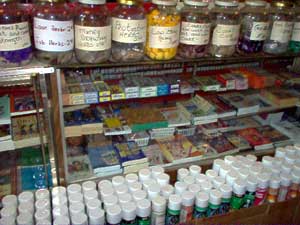
shops
or the
popular
“botanicas”
that
serve
the
thriving
root
business
in and
around
New
Orleans.
Perhaps
the
most
popular
of these
botanic
markets
is The
Island
of Salvation,
owned
an operated
by Voodoo
Priestess
Sallie
Ann
Glassman.
Another
botanica,
F&F
Church
Supply,
carries
many
of the
popular
ingredients
for
mojos
and
gris-gris
and
also
serves
the
popular
Santeria
practice
in the
City.
Other
common
mojo
ingredients
are
taken
from
the
natural
environment
and
even
from
the
human
body.
This
is why
it is
vitally
important
never
to allow
anyone
to touch
or handle
the
consecrated
mojo
bag
except
the
person
for
whom
it has
been
created.
TALISMANS
are
also
another
important
element
of New
Orleans
hoodoo
rootwork.
Unlike
their
mojo
cousins,
most
talismans
are
usually
intended
to be
openly
displayed
either
in an
effort
to attract
a positive
influence
to the
wearer
or,
alternately,
to ward
off
negative
influences
such
as evil
conjure.
Talismans,
or talisman
ingredients,
generally
come
from
the
natural
world
surrounding
us,
and
everything
from
badger
teeth
to snakeskin
has
its
proper
place
and
influence
in the
hoodoo
rootworker’s
bag.
Elements
from
the
animal
kingdom
are
often
said
to impart
the
powers
of particular
animals
to the
wearer,
an example
of the
strong
Native
American
influence
present
in hoodoo.
Other
talismans
are
designed
to bring
increase
to the
bearer,
and
there
are
several
popular
talismanic
devices
of this
sort.
Probably
the
most
famous
and
most
sought
after
luck
talisman
of the
New
Orleans
hoodoo
tradition
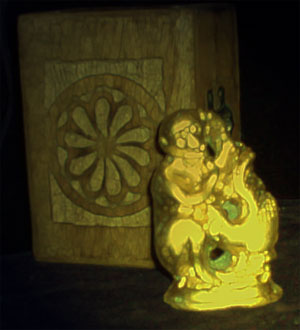
is the
Golden
Monkey
and
Cock
Curio
Statue.
The
history
of the
Monkey
and
Cock
Statues
go back
generations
in New
Orleans
and
have
been
associated
with
the
secret
practices
of the
societies
founded
by Voodoo
Queen
Marie
Laveaux.
In the
New
Orleans
of today,
the
Sacred
Gold
Monkey
and
Cock
Statues
are
hand
carved
by Bianca
and
members
of the
societies
and
then
covered
with
18 karet
gold
plate
paint
of superior
quality
actually
resembling
metal
plating
and
each
comes
in a
wooden
box
. Then
Good
Luck
curio
are
individually
blessed
by Bianca,
the
reigning
Queen
of New
Orleans
Voodoo,
in ritual
blessing
ceremonies
held
twice
yearly.
Small
plaster
Monkey
and
Cock
statues
have
been
appearing
at the
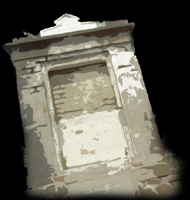
grave
of Voodoo
Queen
Marie
Laveau
for
years
and
these
more
common
Monkey
and
Cock
statues
are
said
to grant
three
wishes
to the
bearer
over
a three
year
period.
The
gold
Sacred
Monkey
and
Cock
Statue
is said
to grant
wishes
for
the
lifetime
of the
owner.
It has
been
the
experience
of those
who
keep
the
gold
Monkey
and
Cock
statues
that
wishes
are
granted,
on average,
once
each
year,
though
there
have
been
occasions
where
several
wishes
at a
time
have
been
fulfilled.
Unlike
their
common
counterpart,
the
gold
Monkey
and
Cock
Statue
is generally
quite
rare
and
those
who
have
them
in their
possession
usually
do not
relinquish
them.
Unlike
mojos
or gris-gris
prepared
for
a particular
individual,
the
Sacred
Golden
Monkey
and
Cock
Statue
can
be passed
down
through
generations
and
usually
is.
HOODOO
AND
THE
FOLK
DOCTOR:
THE
CAJUN
TRAITEUR
Hoodoo
and
rootwork
also
share
a strong
connection
with
traditional
folk
medicine
practices
in New
Orleans
and
surrounding
regions.
Perhaps
the
most
well-known
practitioners
of rootwork
folk
medicine
in south
Louisiana
are
the
Cajun
traiteurs,
or folk-healers.
Sharing
many
of the
elements
of traditional
African-American
rootwork,
traiteur
folk
medicine
is a
practice
that
has
traditionally
existed
among
the
Acadians,
or Cajuns
of southwest
Louisiana
for
hundreds
of years.
The
traiteur’s
beliefs
are
learned
informally,
by word
of mouth
and
through
observation
and
demonstration.
Long
before
the
advent
of modern
medicine,
folk
traiteurs
in the
rural
bayous
of south
Louisiana
were
using
traditional
methods
and
ingredients,
such
as herbs,
tree
and
plant
roots,
fruits,
insects
and
foods
for
the
treatment
of illnesses
ranging
from
warts,
sore
throats
and
arthritis
to impotency,
malaria
and
even
certain
cancers.
This
is the
rootwork
tradition
of the
Cajun
traiteur.
Often
this
hoodoo
tradition
is enhanced
with
the
addition
of faith
healing.
This
commonly
involved
the
use
of religious
folk
objects
or items
and
prayers
to aid
in curing
the
ailment
presented
to the
traiteur.
Charms
and
talismans
are
often
also
employed
to assist
in the
healing
process.
Talismanic
elements
are
often
taken
from
the
natural
world
of the
traiteur,
from
things
found
easily
in the
swamps
and